Keynote Speakers
WAILS 2026 features distinguished researchers at the forefront of AI and learning sciences.
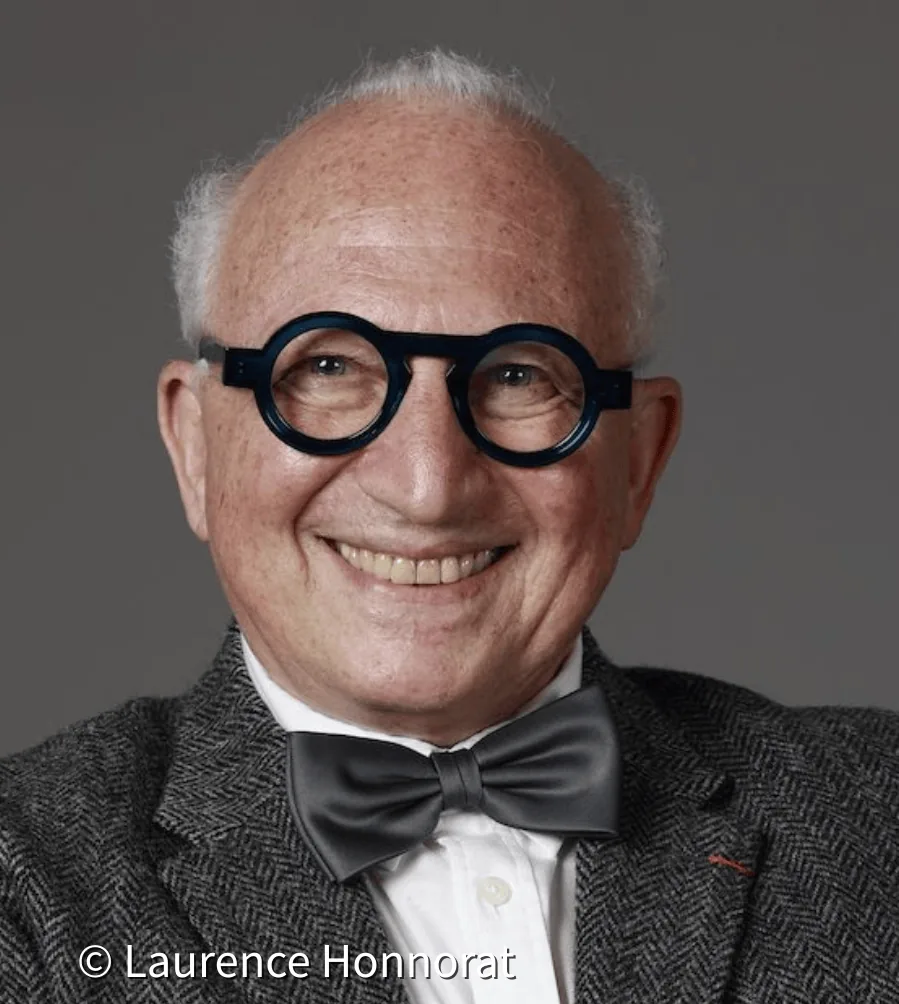
Abstract to be announced.
Professor of Computer Science at Sorbonne University and director of the ACASA team at LIP6. A specialist in artificial intelligence (EurAI Fellow) and machine learning, his current research focuses on digital humanities and computational ethics. Chair of the CNRS Ethics Committee from 2016 to 2021, he currently chairs the Ethics Committee of Pôle Emploi and the Steering Committee of the Cycle des Hautes Études de la Culture (CHEC).
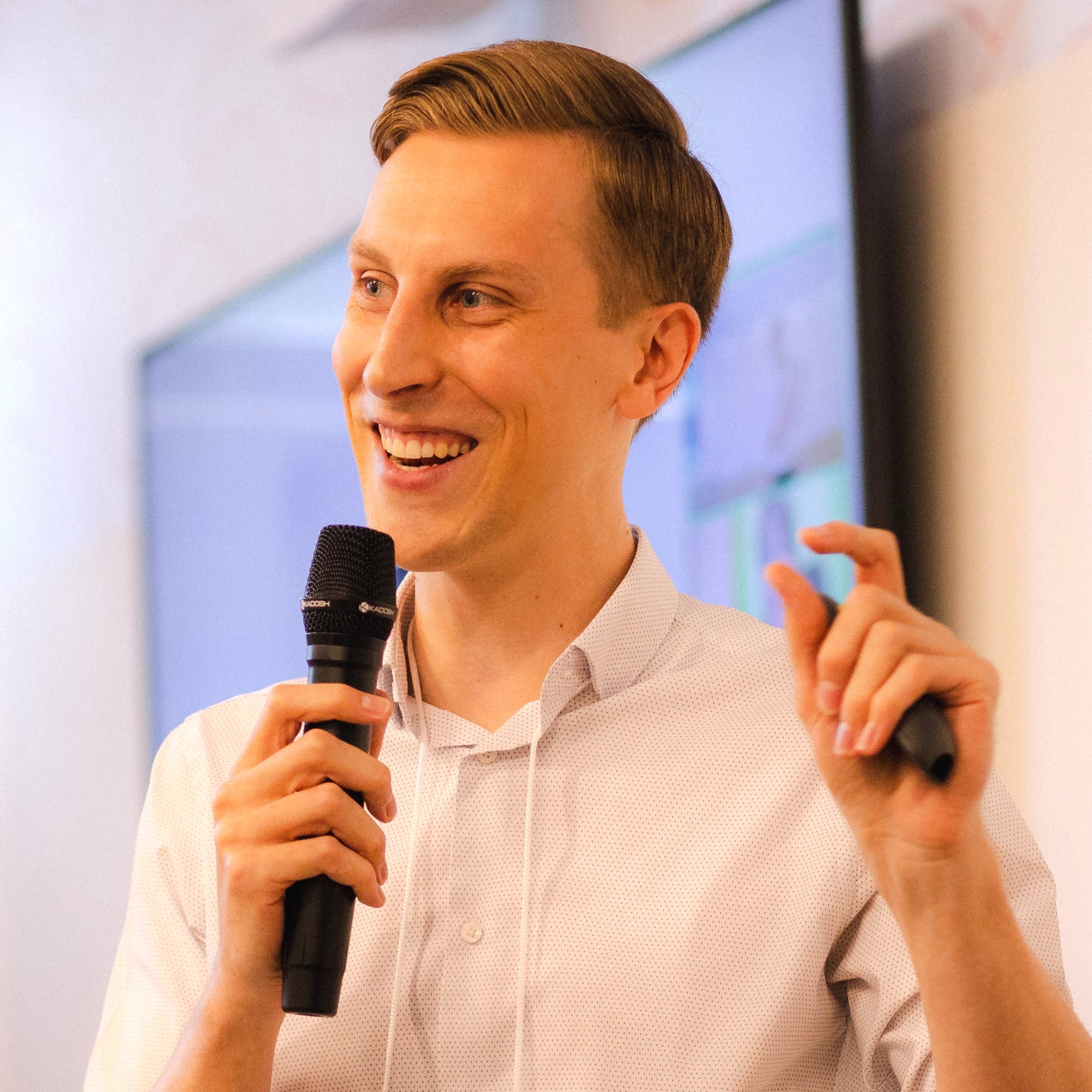
Abstract to be announced.
Assistant Professor in Human-Centred Computing, specialised in Explainable AI and Data Visualisation at Utrecht University. His research focuses on making learning experiences more adaptive, transparent, and motivating. He studies how AI model outcomes can be explained to and controlled by different audiences — for example, helping teenagers on adaptive learning platforms understand recommended exercises and manage difficulty. He evaluates the impact of explanations and control mechanisms on trust, motivation, and learning outcomes through user studies with teenagers and teachers.
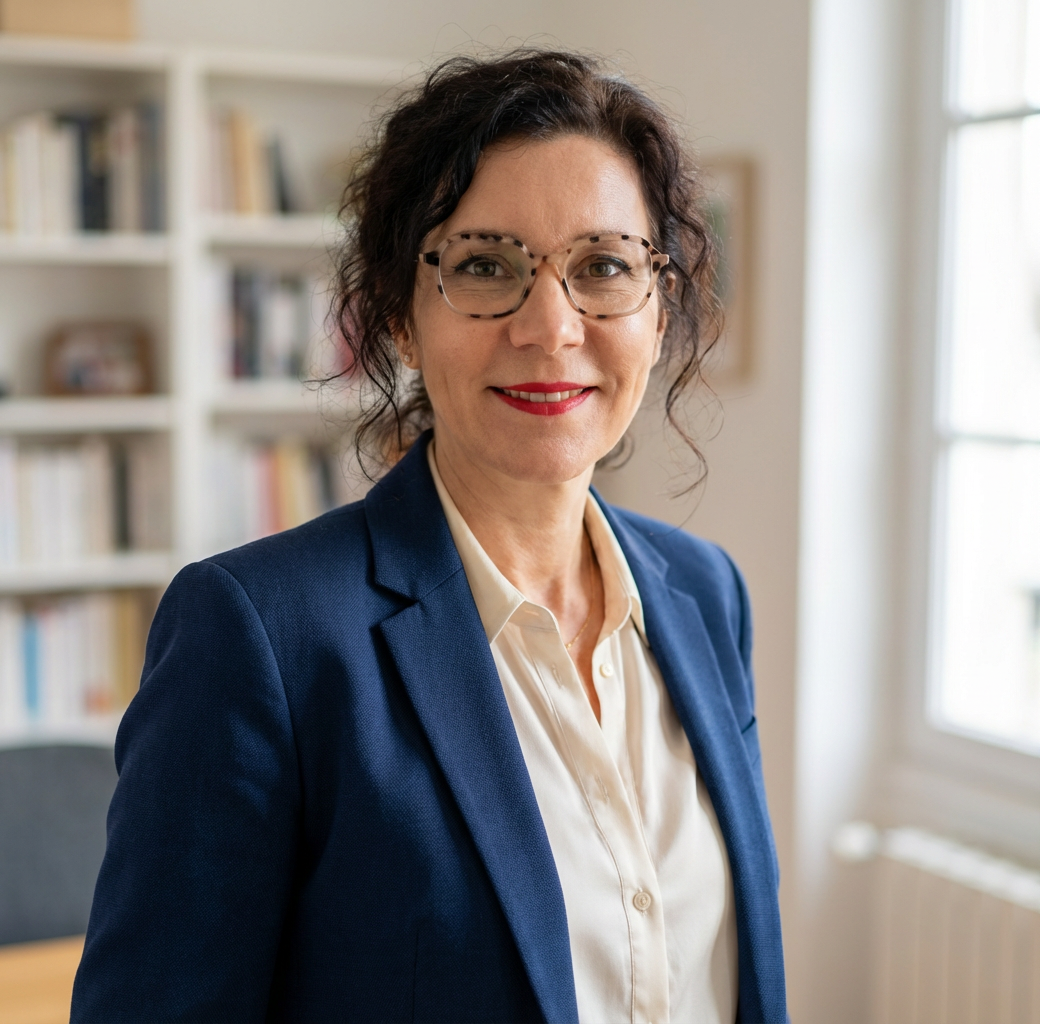
From an epistemic justice perspective, it is not only research and teaching practices in higher education that are being transformed in environments where AI systems are now increasingly present. The very processes through which scientific knowledge is produced and validated are being reshaped as well. These AI systems are not neutral. Their training corpora, predominantly Anglophone and Western, reproduce a form of epistemic coloniality that marginalizes forms of knowledge already made fragile. How, in this context, are we to think about the place of disabled people, too often confined to reductive representations or excluded from the very design of these tools? This keynote questions the difference between making a tool accessible and recognizing those who use it as producers of knowledge. It asks what genuine inclusion in higher education requires beyond technical accommodations: an epistemic plurality to be built, with the people concerned.
Fatiha Tali Otmani is Associate Professor (Maîtresse de Conférences, HDR) in Educational Sciences at Université Toulouse Jean Jaurès, member of the UMR-EFTS (Éducation, Formation, Travail, Savoirs) laboratory. Her research adopts a socio-cognitive approach to teaching and learning processes in higher education, with a particular focus on the changes induced by the use of artificial intelligence in higher education. She leads the international and interdisciplinary research project EVARIATION, which investigates factors that increase students' sense of self-efficacy.